

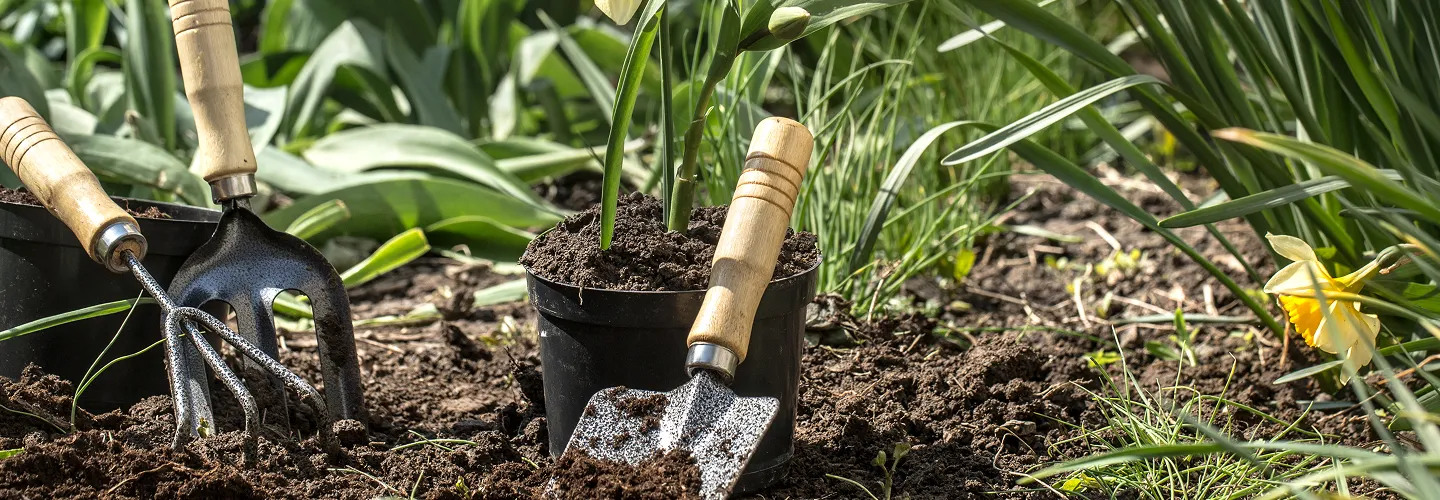
Medford Weed Control Services
Choose our expert weed control services for reliable, long-lasting results that protect your landscape and save you time. We use proven methods and eco-friendly solutions to ensure your yard stays healthy, beautiful, and free from unwanted growth.
Get a Free QuoteWhen to Schedule Weed Control in Medford, Massachusetts – Seasonal Guide
In Medford, Massachusetts, timing your weed control treatments is crucial for maintaining a healthy, vibrant landscape. The best periods for weed management typically fall in early spring and late summer, aligning with the region’s unique climate and growing cycles. Medford’s last frost date usually occurs in mid-April, making late April through early May ideal for pre-emergent applications. This timing helps prevent weed seeds from germinating as temperatures rise. Late summer, especially after the peak heat of July, is also effective for targeting persistent perennial weeds before they set seed.
Local factors such as the proximity to the Mystic River, the shaded yards of West Medford, and the clay-heavy soils found near Tufts University all influence weed growth and control strategies. Humidity levels can encourage rapid weed spread, while drought-prone areas—like those near the Fellsway—may require specialized approaches. For more information on local environmental guidelines, visit the City of Sudbury’s resource page.
Local Factors to Consider for Weed Control in Medford
- Tree density and shade coverage (e.g., in the Lawrence Estates neighborhood)
- Soil type and drainage, especially in low-lying areas
- Annual precipitation and risk of summer drought
- Proximity to water sources like the Mystic River
- Municipal restrictions or seasonal guidelines for herbicide use
- Terrain variations, such as sloped yards or compacted soils
Benefits of Weed Control in Medford

Improved Curb Appeal
Healthier Lawns and Gardens
Reduced Maintenance Time
Eco-Friendly Weed Solutions
Prevention of Invasive Species
Increased Property Value

Medford Weed Control Types

Pre-Emergent Weed Control
-
Post-Emergent Weed Control
-
Manual Weed Removal
-
Mulching for Weed Suppression
-
Organic Weed Control Solutions
-
Selective Herbicide Application
-
Landscape Fabric Installation
Our Weed Control Process
Site Evaluation
Weed Identification
Treatment Application
Follow-Up Inspection
Why Choose Medford Landscape Services

-
Medford Homeowners Trust Us
-
Comprehensive Lawn Maintenance
-
Competitive Pricing
-
Professional Team
-
Satisfaction Guarantee
-
Personalized Service
-
Timely and Reliable Scheduling
Medford’s Glacial Till Soils and Weed Control Challenges
Medford’s landscape is shaped by glacial till soils, which are typically rocky, moderately acidic (pH 5.5-6.5), and often poorly drained in low-lying areas. These conditions favor the growth of persistent weeds such as crabgrass and plantain, especially in compacted or disturbed urban soils. Effective weed control in Medford requires soil testing—available through USDA Web Soil Survey and UMass Extension—to determine pH and organic matter content. Recommended practices include:
- Core aeration to 2-3 inches depth for compaction relief
- Lime application if pH is below 6.0
- Compost incorporation: 2-3 inches tilled to 6-inch depth
- Mulching bare areas to suppress weed germination
Coordination with Medford’s Department of Public Works is essential for proper soil amendment and debris disposal.
Medford Department of Public Works
85 George P. Hassett Drive, Medford, MA 02155
Phone: (781) 393-2417
Official Website: Medford Department of Public Works
Seasonal Weed Control Timing for Medford’s Cool-Season Lawns
Medford’s USDA Hardiness Zone 6b-7a climate supports cool-season grasses, with optimal weed control windows in early spring (April 15-May 30) and late summer (August 20-September 30). Pre-emergent herbicides should be applied when soil temperatures reach 50-55°F, typically in mid-April, to prevent crabgrass and other annual weeds. Post-emergent treatments are most effective in September, targeting broadleaf weeds before the first frost (late October). Key timing guidelines include:
- Spring pre-emergent: April 15-May 15
- Fall post-emergent: September 1-30
- Avoid applications during summer heat (June-August)
- Mow at 3-3.5 inches to shade out weed seedlings Monitor local weather conditions through the National Weather Service Boston/Norton Office for precise soil temperature and rainfall data.
Municipal Weed Disposal and Yard Waste Collection in Medford
Proper disposal of weed debris is regulated by Medford’s municipal yard waste program. Weekly curbside collection occurs every Thursday from April through November. Residents must use biodegradable paper bags or 32-gallon reusable containers; plastic bags and branches over 4 inches in diameter are prohibited. Accepted materials include:
- Weeds, grass clippings, leaves
- Brush under 4 feet in length
- Small twigs and garden debris
Improper disposal, such as placing yard waste in storm drains, violates Medford’s MS4 permit under the Clean Water Act and can result in fines. For large volumes, the city transfer station is open Saturdays 8:00 AM–12:00 PM. For program details and compliance, contact:
Medford Department of Public Works
85 George P. Hassett Drive, Medford, MA 02155
Phone: (781) 393-2417
Official Website: Medford Department of Public Works
Environmental Compliance: Wetland Buffers and Stormwater Protection in Medford
Weed control activities near Medford’s wetlands, such as along the Mystic River and Wright’s Pond, must comply with local and state environmental regulations. The Massachusetts Environmental Policy Act (MEPA) and Medford’s Conservation Commission require a 25-foot no-disturbance buffer from all wetlands and a 50-foot setback for chemical applications. Additional requirements include:
- No fertilizer or herbicide within 50 feet of water bodies
- Maintain vegetative buffers to filter runoff
- Prohibit yard waste dumping in conservation areas
Medford’s MS4 stormwater permit, overseen by the Massachusetts Department of Environmental Protection, prohibits clippings and debris in storm drains. For site-specific guidance, contact:
Medford Conservation Commission
85 George P. Hassett Drive, Medford, MA 02155
Phone: (781) 393-2137
Official Website: Medford Conservation Commission
Massachusetts Department of Environmental Protection
Boston, MA
Official Website: Massachusetts Department of Environmental Protection
Equipment Operation Hours and Safety Standards for Weed Control in Medford
Medford enforces municipal noise ordinances for outdoor equipment operation. Permitted hours for powered weed control equipment are:
- Monday-Friday: 7:00 AM - 7:00 PM
- Saturday: 8:00 AM - 6:00 PM
- Sunday and holidays: Prohibited Operators must use commercial-grade equipment with functioning mufflers, and noise levels must not exceed 85 decibels at property lines. Safety protocols require:
- Eye protection: ANSI Z87.1 safety glasses
- Hearing protection: Earmuffs or plugs for 85+ dB
- Footwear: Steel-toed, non-slip boots
- Gloves: Chemical-resistant for herbicide application
Maintain a 15-foot clearance from power lines and public walkways. For ordinance details and enforcement, consult:
Medford Department of Public Works
85 George P. Hassett Drive, Medford, MA 02155
Phone: (781) 393-2417
Official Website: Medford Department of Public Works
What Neighborhoods Do We Serve Throughout Medford, MA?
- West Medford: Characterized by mature tree canopy and proximity to the Mystic River, this area faces challenges with invasive species and wetland buffer compliance.
- South Medford: Dense residential development and compacted urban soils require frequent aeration and careful weed management to prevent runoff into storm drains.
- Hillside: Steep slopes and rocky soils increase erosion risk, necessitating mulching and erosion control during weed removal.
- Wellington: Close to the Malden River and conservation lands, this neighborhood has strict buffer zone regulations and seasonal flooding concerns.
- Lawrence Estates: Larger lots with historic landscaping often have acidic soils and require tailored weed control strategies for ornamental beds.
- Tufts University Area: High foot traffic and mixed-use properties lead to soil compaction and rapid weed spread, especially in shared green spaces.
- Glenwood: Features a mix of older homes and new developments, with variable soil quality and drainage patterns affecting weed control approaches.